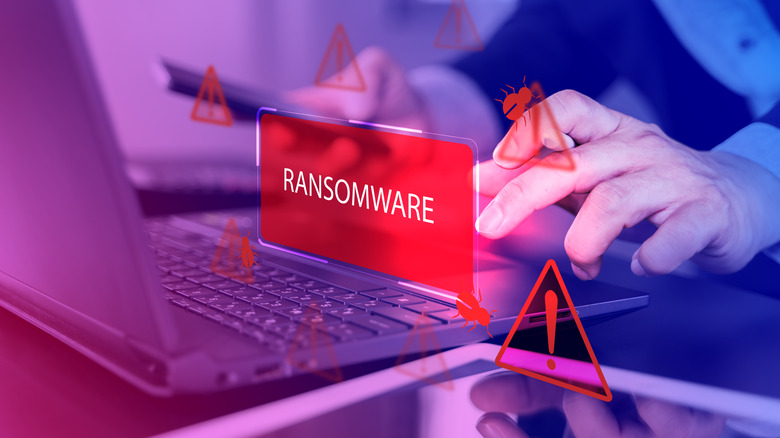
Cybercriminals are constantly developing invasive software aimed at breaching your privacy and stealing sensitive information, often through ransomware—a type of malware that can lock you out of your own device. Once your system is infected, regaining access typically requires paying a ransom. Thankfully, the FBI offers essential guidelines for safeguarding yourself against such threats.
The agency emphasizes one crucial piece of advice: proceed with caution. Avoid opening unexpected email attachments, clicking on dubious ads or links, or venturing onto questionable websites, as these actions can lead to malware being installed on your device. Utilize up-to-date anti-virus and anti-malware software that regularly scans your system and backs up your data. Additionally, ensure that your operating system and applications are always current.
Regarding backups, regularly verify their completion and keep them stored on a separate device, such as an external hard drive, to mitigate risks from potential malware on your computer. However, for business owners, having a more comprehensive security approach is essential. The FBI advocates for developing a continuity plan to equip you and your team to effectively respond to a potential ransomware incident.
How to Handle a Ransomware Incident

Ransomware attacks are becoming increasingly advanced, raising the likelihood of hackers locking you out of your data as they attempt to access your finances. If you find that your computer or smartphone has been compromised, the FBI advises against paying the ransom, as it does not ensure the recovery of your data. Furthermore, paying could make you a target for future attacks, as it incentivizes cybercriminals seeking easy profits. Instead, your first step should be to reach out to your local FBI field office. Additionally, you can file a complaint at the FBI’s Internet Crime Complaint Center by visiting their website and providing the necessary information.
After submitting your report, you might receive a visit from an FBI representative, though this isn’t guaranteed. If an agent does come, they are unlikely to provide you with a new device. If ransomware is infiltrating your system, it’s best to refrain from attempting to rectify the situation on your own. According to the Ransomware Response Checklist from the Cybersecurity and Infrastructure Security Agency (CISA), disconnecting your device from the internet is crucial to prevent further damage. Avoid rebooting your device unless specifically instructed to do so.
Subsequent to that, you’ll need to take prudent steps to restore your device to normal functionality. This usually involves reconnecting your systems and retrieving data from an offline backup. Ensure that the malware threat has been thoroughly eliminated before reconnecting systems, as premature reconnection may heighten the risk of a second infection, putting you back at square one.