Recently, retro CRT TVs have resurfaced in various settings such as living rooms, gaming areas, and bedrooms. This trend has gained traction on platforms like TikTok and Instagram, where numerous videos showcase nostalgia-inducing setups featuring CRTs. The appeal of these older models is understandable; newer, high-definition TVs may be readily available, yet the vintage charm and familiar warmth of CRTs are hard to resist, especially when connecting old-school consoles and VCRs.
While locating these vintage units at thrift shops or online marketplaces is relatively straightforward, purchasing a used CRT TV requires caution and thorough research. Important factors include technical quality and compatibility between devices. Understanding the necessary inputs and desired resolutions before making a purchase is essential for an optimal experience.
A CRT that lacks compatible inputs for your console will prove unhelpful, and acquiring any needed converters or modifying the TV can lead to additional expenses. Many older units may have endured years of disuse in garages or attics, making it crucial to identify potential issues before purchasing.
Know Your Required Connections and Resolutions Before You Buy
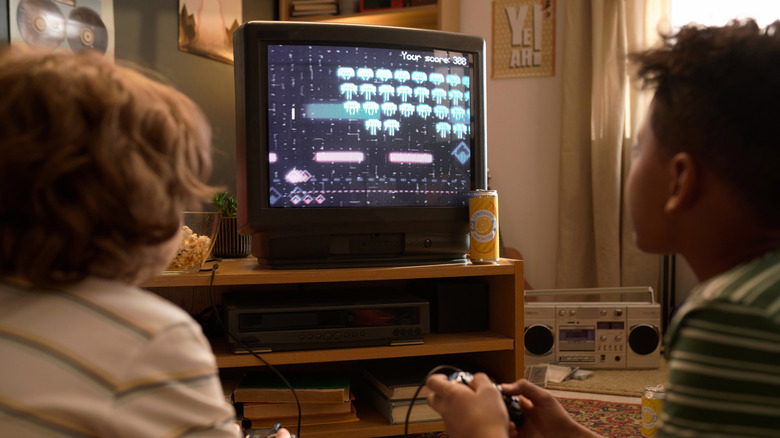
Different types of CRTs can significantly impact your use case, so understanding your specific needs is vital. If you’re aiming to utilize the CRT primarily as a display, determining the necessary connections and resolution is a critical first step. Unlike contemporary devices that primarily use HDMI, vintage models and consoles come with varying connection types, making familiarity with these options ever so important.
For instance, if a CRT is intended for use with a Nintendo 64, it must support composite or S-Video connections, unless you’re able to invest in a converter. Some classic consoles, like the PlayStation 2, offer multiple output options that increase compatibility with various connections. However, older consoles such as the Atari 2600 might only have a limited VHF antenna connection, emphasizing the importance of aligning your CRT search with your gaming needs.
When considering color options, it’s likely that you’d prefer a color model for gaming or viewing old DVDs and VCRs, while resolution should factor in too. HD CRTs provide superior visuals, suitable for later-generation consoles or movies, whereas some enthusiasts suggest that SD CRTs are preferable for older systems, as they may reduce latency during gameplay with classic consoles, light guns, or dance mats.
Avoid Purchasing an Untested Unit
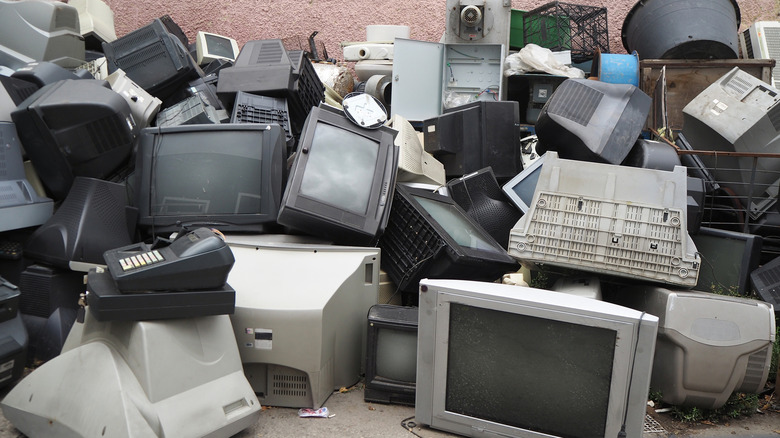
Vintage technology often lasts beyond its expected lifespan, leading to potential issues when shopping for second-hand devices. Sadly, CRT TVs are no exception to this trend. It’s essential to avoid the trap of purchasing a malfunctioning unit in pursuit of a good deal, as sourcing replacement parts can be challenging. This could turn what appears to be a minor repair into an unexpectedly complicated and costly endeavor. Therefore, refrain from investing in a CRT that hasn’t been tested by a reliable seller or one that’s untested by yourself.
While the potential problems may vary, be mindful of issues like screen burn, malfunctioning inputs, power supply failures, dead pixels, and distorted images. Typically, these concerns should become apparent shortly after powering on an old TV: visual distortions, incorrect color displays, or complete failure to turn on are common red flags.
By buying an untested TV, you could find yourself surprised by these issues only after you’ve plugged it in. Generally, online listings will state if a device has been tested. It’s wise to steer clear of options labeled as untested, as you can’t guarantee functionality. If purchasing in person, don’t hesitate to inquire about the operational status and, if possible, test it on-site to avoid selecting a faulty unit.