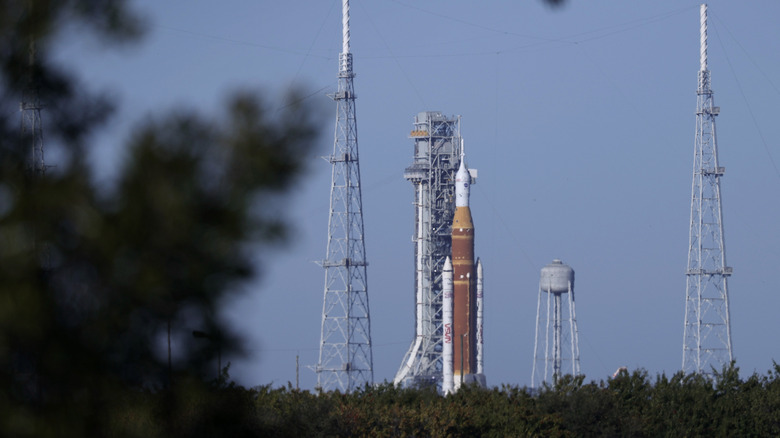
Despite receiving limited attention in today’s fast-paced news landscape, NASA is gearing up for one of its most daring crewed missions in decades. The agency is set to advance the Artemis Program, which aims to return humans to the lunar surface for the first time in over half a century.
Following the success of the uncrewed Artemis I test flight in late 2022, the next key mission, Artemis II, is on course to take astronauts farther into space than they have ever ventured, orbiting the moon. This mission is a step towards landing astronauts back on the moon and ultimately exploring Mars in the future.
However, as the launch window for Artemis II approaches—now delayed—concerns have emerged regarding the safety of the Orion spacecraft designated to transport four astronauts during the lunar fly-by. The chief worry pertains to the spacecraft’s heat shielding, evoking memories of the Space Shuttle Columbia disaster in 2003. NASA acknowledges the heat shield issues and has adapted the mission’s reentry plan to mitigate potential risks to astronauts.
Is the Heat Shield of Orion a Minor Concern or a Major Risk?
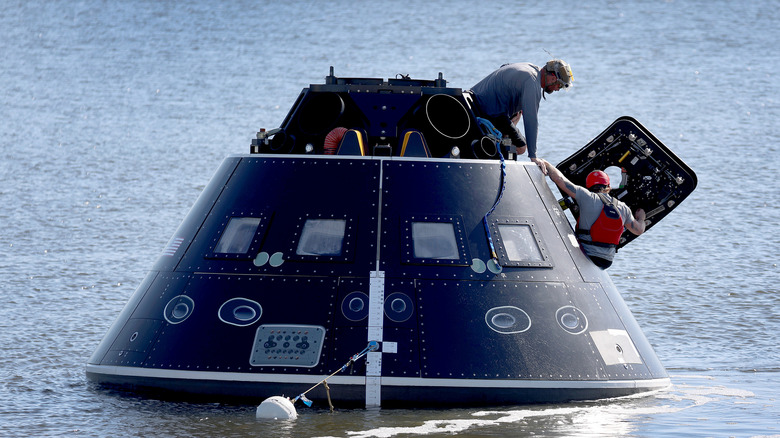
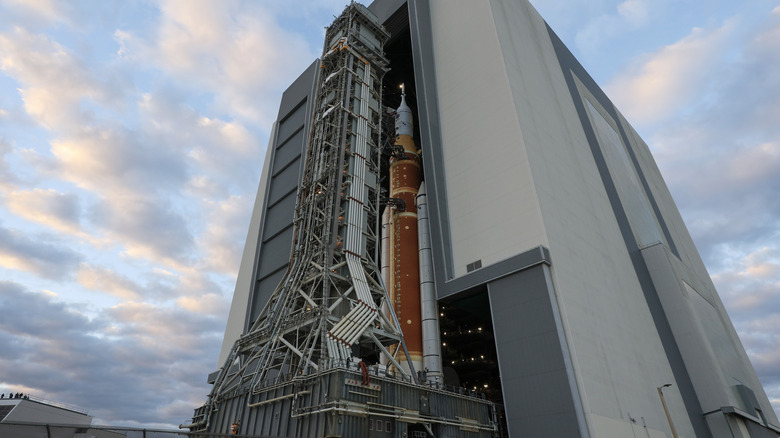
The Artemis II rocket was originally slated for launch in early February 2026, but liquid hydrogen leaks encountered during tests have shifted the timeline to March at the earliest. Notably, this delay isn’t the primary concern voiced by various scientists and former astronauts monitoring the program.
Instead, the focal point of apprehension is the ablative Avcoat material employed in the heat shield of the Orion capsule. This shield’s performance will be crucial during the high-speed reentry at the mission’s end. In contrast to the first Artemis mission, where the Orion spacecraft was unoccupied throughout its 25-day trajectory, the second mission poses greater stakes. Following Artemis I’s return, significant damage to the heat shielding was noted, with substantial pieces missing due to the rigors of atmospheric reentry.
Experts, including former astronaut Dr. Danny Olivas—a member of NASA’s investigative panel—have previously flagged concerns regarding the heat shield’s performance. However, NASA maintains confidence in the protective capabilities of the Avcoat material and the new 3-Dimensional Multifunctional Ablative Thermal Protection System (3DMAT) that is set to further bolster spacecraft safety.
NASA Prioritizes Astronaut Safety
Addressing any potential safety concerns related to reentry in a crewed spacecraft is a serious matter for NASA. It invokes memories of the tragic Columbia incident in 2003, where damage from a debris strike during launch led to the shuttle’s disintegration during reentry, resulting in the loss of all seven astronauts aboard.
NASA’s analysis of the Orion capsule after Artemis I reassures them that no substantial threat exists for the crew members of Artemis II. For this mission, a modified reentry trajectory has been developed, intended to minimize the risks posed to the heat shield. Moreover, NASA asserts that data gathered from Artemis I indicated that the Orion crew would have remained safe despite the damage observed in the heat shield during reentry.
As the countdown to a successful Artemis II launch begins, the ongoing dialogue regarding the heat shield highlights the perpetual risks associated with manned space exploration, even in an era of remarkable advancements in aerospace technology since the original lunar missions.