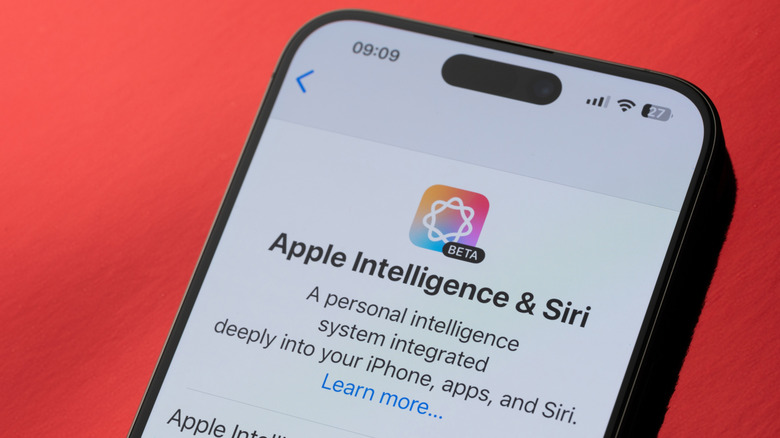
If you listen to the latest tech keynotes, you’ll get the impression that everyone is clamoring for AI to be integrated into everyday appliances, including smartphones. Major players like Apple, Google, and Samsung are fiercely competing to embed AI functionalities in their newest products.
However, a recent study from Circana, a consumer research organization, paints a different picture. The survey reveals that while 86% of U.S. adults aged 18 and over are familiar with the AI capabilities of their devices, a significant 35% have little to no interest in utilizing these features. The motivations behind this are quite revealing.
Among those opposed to using AI features, nearly two-thirds indicated that their devices already meet their needs. Additionally, 59% expressed concerns about privacy, while 43% mentioned they were unwilling to pay for features they didn’t ask for. Only 15% thought the technology seemed overly complex, suggesting that most consumers grasp the concept of AI, but remain indifferent about its presence on their phones.
Conversely, 65% of consumers aware of AI expressed an interest in having such features on at least one of their devices. Notably, younger users are more inclined to embrace AI technology, with 82% of individuals aged 18 to 24 showing enthusiasm. “AI is still in its early stages and tends to be regarded more as an optional enhancement rather than a decisive factor in purchasing decisions,” observed Sara Rosenman, a senior analyst at Circana.
Apple is betting big on AI anyway
This report follows Apple’s recent announcement of a significant partnership with Google, wherein the upcoming Apple Foundation Models will leverage Google’s Gemini technology and cloud infrastructure, as stated in their joint release. Currently, Apple’s AI features are limited primarily to basic functionalities, such as the unpopular notification summaries in iOS 18. The anticipated launch of a Gemini-enhanced Siri later this year has been met with excitement from many users, who are looking forward to additional AI functionalities accompanying the update.
Amidst these developments, there’s a concerning disconnect between technology companies’ innovations and actual consumer preferences. This issue is reinforced by user feedback, with Microsoft also facing criticism for promoting AI features like Copilot and Recall within Windows. Many users have taken to the company’s support forums, expressing their dissatisfaction in response to a thread titled “Why don’t we get a choice to refuse AI?” where multiple users voiced their frustration at mandatory features.
There’s a money problem, too

Financial considerations also contribute to the reluctance surrounding AI adoption. A late 2025 report from J.P. Morgan (via Tom’s Hardware) projected that the AI industry would need to generate $650 billion annually to secure a 10% return on the significant investments expected through 2030. To contextualize this, the bank suggested that this would essentially require charging every iPhone user around $35 monthly, indefinitely.
Currently, Circana’s findings indicate that consumers are not eager to spend extra for AI functionalities. While this doesn’t imply the decline of AI in the near future, it does suggest that companies leading this charge should reconsider their strategies to align better with consumer needs before allocating more resources towards features that a substantial portion of their clientele would prefer to opt-out of. “To integrate AI effectively, innovators need to establish foundational functionalities and consumer trust,” concludes Rosenman.