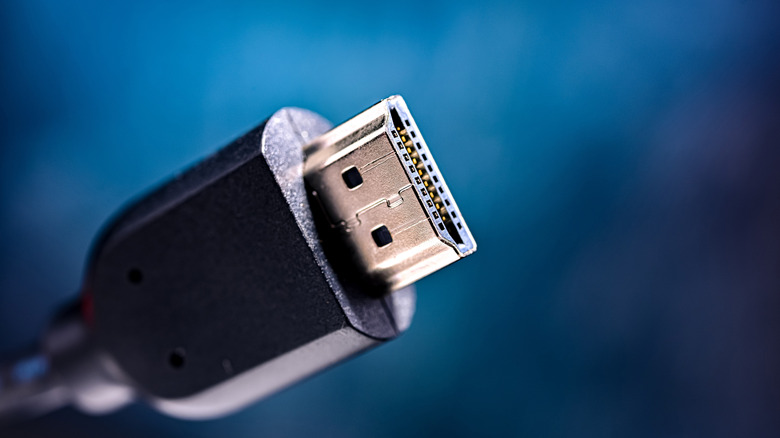
Among the various types of connectors widely recognized today, HDMI stands out as the most familiar. It is established as the standard for transmitting both audio and video signals between different devices. While many lightweight laptops, such as the MacBook Air, have transitioned to USB-C for their connectivity needs, including display output, most contemporary gaming consoles, computers, and televisions continue to depend on HDMI as their main medium interface (with gaming PCs occasionally using DisplayPort).
Since its inception in 2002, HDMI has undergone just a few significant updates, unlike the numerous generations of USB. Its core functionality remains focused on delivering high-quality video and audio feeds from a source device like a computer to a display, such as a monitor or TV. However, advancements in newer versions of HDMI have facilitated support for higher video resolutions, quicker refresh rates, and features like variable refresh rates and high dynamic range. Those still relying on old HDMI cables could be foregoing these enhanced capabilities.
As of 2026, HDMI 2.2 is the most recent version, boasting remarkable bandwidth of 96Gbps, capable of outputting resolutions up to 16K at 60Hz, 12K at 120Hz, and 8K/4K at 240Hz. While true 16K screens may not yet be widely available, many 4K 240Hz OLED monitors can take full advantage of the bandwidth HDMI 2.2 offers. Nonetheless, an HDMI 2.1 cable is sufficient for the majority of configurations.
Limitations of Older HDMI Cables
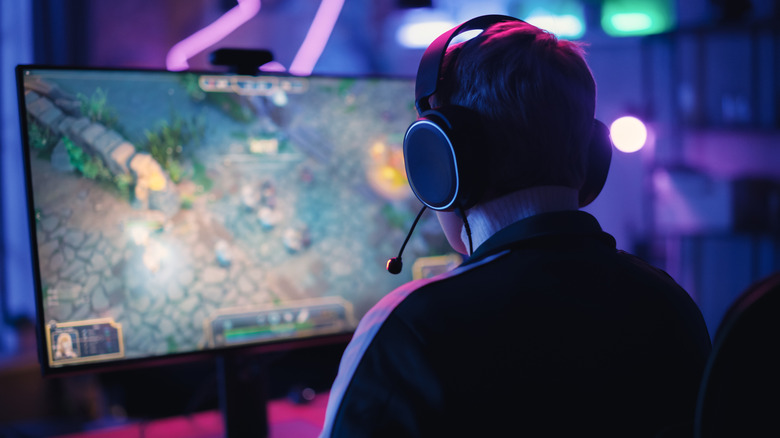
When purchasing an HDMI-compatible device, it usually comes with a cable that suits its specifications. However, if you’re changing devices and fail to choose the correct HDMI cable, you may encounter several technical issues, particularly with video resolutions and refresh rates that are often immediately noticeable.
For example, HDMI 1.3 and earlier versions do not support 4K video output, rendering them unsuitable for modern televisions. HDMI 1.4 is capable of 4K, but only at 30Hz, which suffices for movies but falls short for current gaming consoles like the PlayStation 5 Pro, which require HDMI 2.1 or higher for 4K at 120Hz, ensuring a more fluid gaming experience. Furthermore, newer HDMI generations offer support for variable refresh rates that allow a display to adjust its refresh rate dynamically to align with a game’s frame rate. They also provide Auto Low Latency Mode, which minimizes input lag for a more responsive gaming experience.
Older HDMI versions, such as 1.4 and below, will hinder your ability to enjoy 4K HDR content from several streaming services like Netflix. Ultimately, it’s vital to use HDMI 2.1 or newer cables for your gaming and television configurations. However, simply acquiring a new cable won’t automatically confer these benefits; your devices also need to be compatible with the same HDMI specification and its features.