
As the trend of larger, more expensive vehicles grows in America, many consumers are leaning towards buying smaller, more affordable options. With the average price of a new vehicle hitting around $50,000 in 2026, buyers are increasingly interested in entry-level models available for under $30,000. This shift is prompting automakers to rethink their production strategies.
Recent reports indicate that base-model vehicles are experiencing quicker sales than their pricier counterparts, representing a notable change from past preferences for luxury models. Rising costs in housing, insurance, healthcare, groceries, and gas have made these entry-level options seem not only sensible but necessary. Consequently, there’s a growing market for lower-priced versions of popular vehicles.
In various segments, including compact cars and pickup trucks, the trend is becoming clear. Sales data reveals that lower-trim models are seeing significant increases, whereas higher-end versions are lagging. With an average price difference of about $5,000 between base and premium trims, it’s understandable why many buyers opt for more economical choices. In response, manufacturers are strategically shifting their focus towards developing base models.
How automakers are adjusting to the growing demand for base models
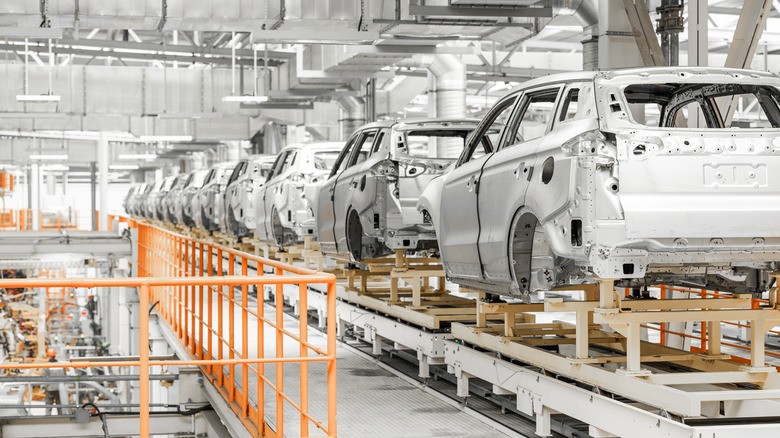
Manufacturers are determined not to fall behind in this market shift. Current trends indicate they are redefining what constitutes a “base model.” This may involve equipping entry-level vehicles with features that were typically reserved for higher trims. Furthermore, automakers will need to realign their production and distribution strategies, leading to a greater focus on offering lower-cost models, albeit with thinner profit margins.
Fortunately, manufacturing these basic models is usually less complex and incurs lower costs, promoting quicker production times. While high-end trims yield greater profits per unit, increased sales volumes of base models could compensate for the margin disparity. Analysts have advised leading automakers such as Honda and General Motors to prioritize affordability, reflecting a broader industry trend. For example, despite overall sales declines at Ford, the base model Mavericks saw an impressive sales increase of over 33% in January. Subaru has also introduced an SUV priced under $30,000, signaling a clear indication that the industry must adapt to these changing consumer preferences.