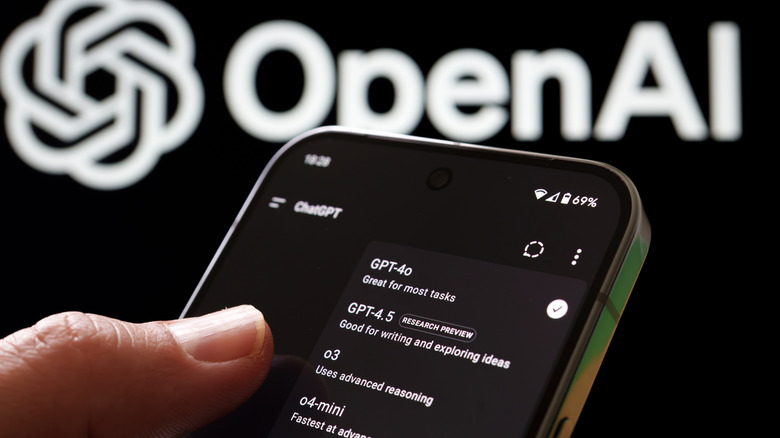
The dynamics between Silicon Valley and the U.S. Department of Defense have always been complex, with tech companies typically keeping a low profile regarding their defense contracts. However, under the leadership of President Donald Trump and Secretary of Defense Pete Hegseth, these relationships have started to transform significantly. As artificial intelligence remains a focal point of discussion in the 2020s, the Pentagon is eager to tap into the technological advancements of major AI firms. This effort recently led to a significant contract with OpenAI, the developer behind ChatGPT. Concerns have heighted over Hegseth’s push for ethical guarantees from rival companies, raising alarms that OpenAI’s innovations could potentially be deployed for military purposes or domestic surveillance.
Growing dissatisfaction has emerged against OpenAI as voices across the globe express their fears regarding the dangers of utilizing AI for military or intelligence operations. A campaign advocating a boycott of OpenAI products, including ChatGPT, is gaining traction, with a group named QuitGPT organizing a demonstration at OpenAI’s headquarters in San Francisco. Critics highlight the Pentagon’s demand for AI to serve “all lawful purposes”—an assurance made to Axios—while refusing to enforce any prohibitions on data collection from citizens.
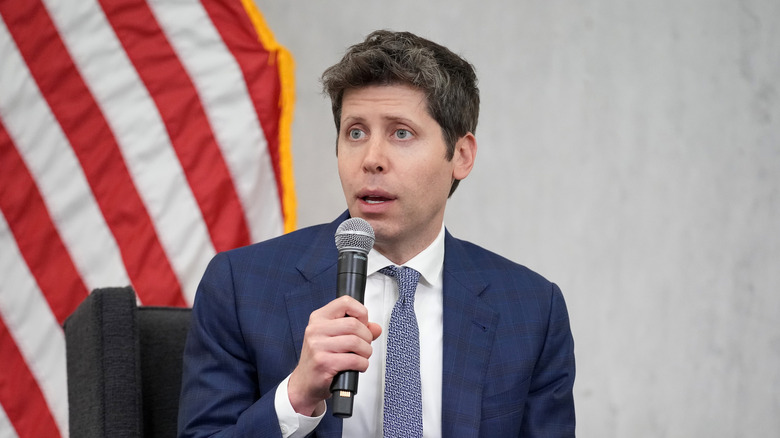
In a statement on X, OpenAI’s CEO Sam Altman acknowledged on March 2 that the agreement might seem “sloppy and opportunistic,” asserting that he aims to negotiate terms with the government that ensure protections against surveillance and prohibit the use of non-private data. He also remarked that the DoD confirmed that agencies such as the NSA would not have access to OpenAI’s offerings without contract modifications.
Surge in uninstalls of ChatGPT as OpenAI finalizes Pentagon agreement
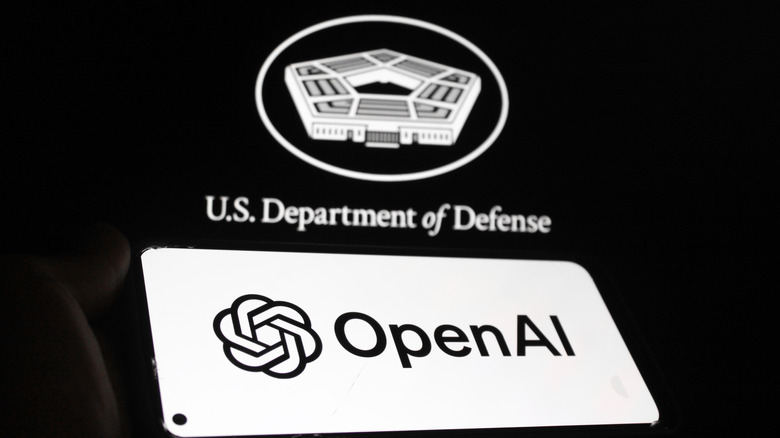
Amid concerns regarding military applications of OpenAI’s technology, including drone strikes and extensive surveillance, the Pentagon’s interest extends beyond just those aspects. Despite various application possibilities such as enhancing logistics and managing personnel, the Pentagon’s eagerness to exploit AI for more destructive means has led to a notable decline in user retention. Users have been posting screenshots of their canceled ChatGPT subscriptions and encouraging others to consider alternative options. QuitGPT, a newly formed group advocating for a switch to other platforms, claims to have gained 2.5 million interactions since launching.
Market analysis firm Sensor Tower observed a remarkable increase in uninstalls of the ChatGPT app on February 28, coinciding with a joint U.S.-Israeli military operation targeting Iran. Uninstalls soared by 295%, reflecting widespread backlash against the military collaboration. A poll conducted on March 1 by The Washington Post indicates significant anti-war sentiment among the American public, with a 52% opposition rate to the recent airstrikes.
While OpenAI may not have had prior insight into the military actions, the U.S. had been adopting a more aggressive stance towards Iran leading up to the deal, positioning major aircraft carriers like the U.S.S. Gerald Ford and Abraham Lincoln within striking range. It was apparent that any company entering such arrangements would likely become aware of the ethical boundaries set by the government.
Anthropic may be poised to gain from OpenAI’s Pentagon contract
The fallout from OpenAI’s recent contract with the Department of Defense has enhanced Anthropic’s reputation as the “good player” in AI. The creator of the Claude chatbot had opted not to pursue a deal with the Pentagon mere hours before OpenAI finalized its agreement, citing concerns over the government’s unwillingness to impose a ban on using AI for mass surveillance. The fear of mass surveillance has lingered over the AI industry since the launch of ChatGPT in late 2022, and Anthropic could not secure any concessions to combat these fears before the February 27 deadline.
Anthropic’s decision to refrain from collaborating with the government has led to an increase in positive public sentiment, with many applauding the AI firm for upholding its values. The Sensor Tower report, which documented a significant spike in uninstalls of the ChatGPT app after OpenAI’s agreement, simultaneously tracked an upsurge in the number of Claude downloads.
This favorable perception was further bolstered by the White House’s sharp criticism, as Secretary Hegseth labeled Anthropic a “supply chain risk,” a classification preventing the company from engaging with any segment of the U.S. government. Nevertheless, sources familiar with military AI applications have informed The Wall Street Journal that Claude was still utilized during the initial strikes on Iran.