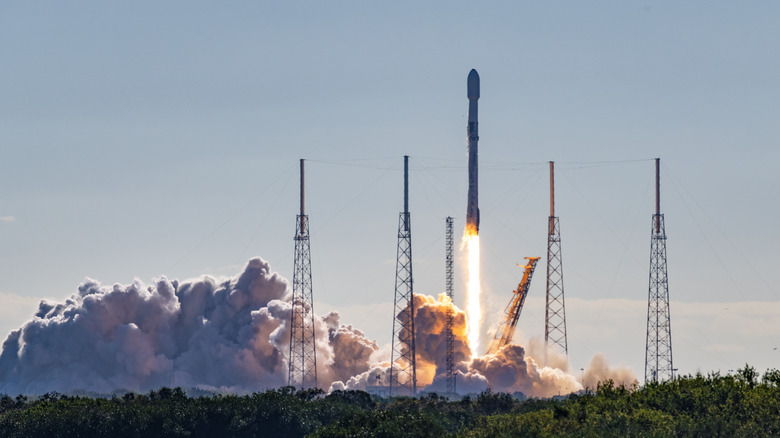
In January 2026, the Federal Aviation Administration (FAA) alongside the U.S. Department of Transportation issued a Safety Alert for Operators (SAFO), warning airlines that they need to consider the increasing frequency of both commercial and government space launches in their flight strategies. The alert emphasizes that, “It is crucial for airspace users to anticipate possible disruptions stemming from launch activities.” To mitigate potential threats from launch-related anomalies, the FAA’s Air Traffic Control (ATC) is tasked with enforcing airspace restrictions and hazard management protocols.
This scenario might feel futuristic, conjuring images of a Boeing 737 Max nimbly avoiding space wreckage as if navigating a sci-fi universe. However, the current situation is quite grounded. Airlines are now required to coordinate with space venture firms like SpaceX, which conducted over 100 launches in 2025, and NASA, to outline the safest routes for air travel.
Reasons Behind the Timing of the Announcement
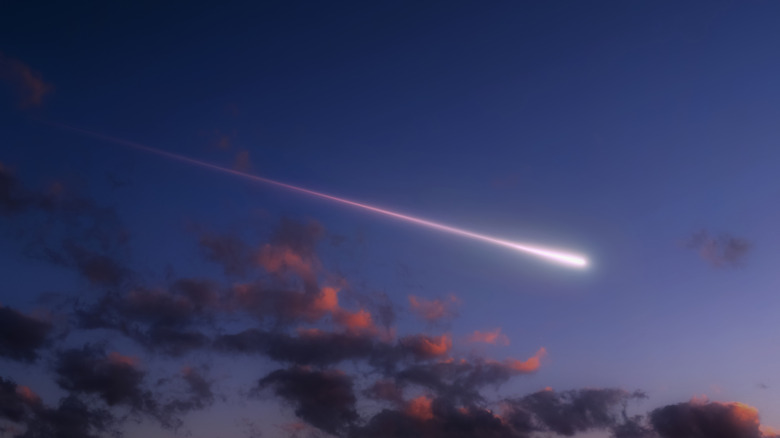
Though space activities trace back to the 1950s, the rate at which objects are being launched into orbit has surged recently. This includes numerous satellite deployments alongside rocket operations each year. Alerts like the current one are vital for minimizing the chances of aircraft operations being hampered by space debris.
Past incidents have underscored the importance of such notifications. Initially, federal agencies estimated that SpaceX’s ventures in Texas would have a negligible effect on commercial aviation; however, a ProPublica report revealed that a mishap with a SpaceX launch in January 2025 led to significant air traffic disturbances near Cuba, Haiti, and the Dominican Republic. While no aircraft were physically impacted by falling debris, the resulting hazards necessitated rerouting and delays for many flights. Notably, there have been no reported cases of commercial aircraft being struck by space debris to date. With such advisories from the FAA, the hope is to further minimize the risks in the future.