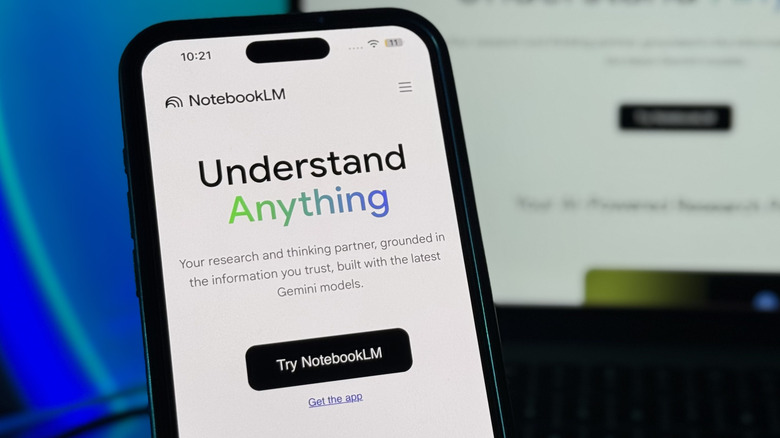
OpenAI, Anthropic, Meta, xAI, Microsoft, Google, and Apple are among the key players investing heavily in artificial intelligence. While these companies are racing to demonstrate their capabilities through various AI applications, consumers are finding themselves needing to keep up. This became evident to me when I first engaged with OpenAI’s ChatGPT, prompting me to explore AI tools extensively. Over time, the distinction between what appears impressive and what is truly beneficial has grown clearer. Among the major players, Google stands out as a provider of genuinely useful solutions, exemplified by its product, NotebookLM.
Launched during Google I/O 2023, NotebookLM serves as an AI enhancement for research assistance. Originally conceived as a project within Google’s Labs department, it has emerged as a pivotal addition to the company’s suite of AI offerings.
NotebookLM Addresses Critical AI Challenges
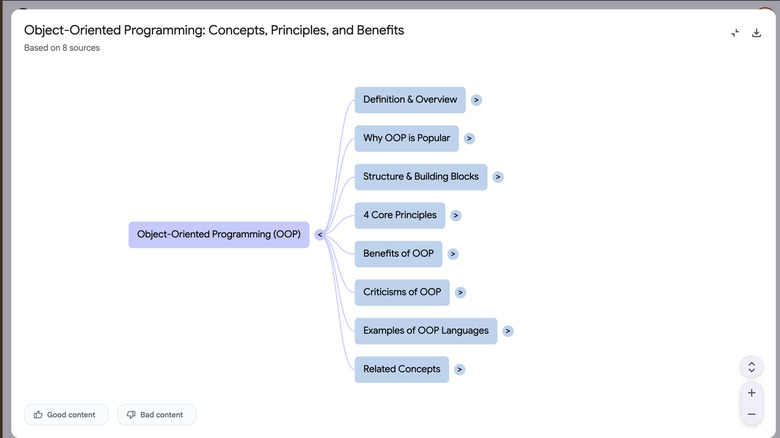
The primary error many tech companies are making in their AI endeavors is their focus on features that often miss the mark for users. Companies seem to be embroiled in a competitive race to integrate AI without prioritizing user experience. Most consumers do not care whether AI powers a feature, as long as it meets their needs effectively. Regrettably, many firms are failing to make AI genuinely useful. NotebookLM, however, contrasts sharply with this norm.
This tool offers a straightforward core functionality: users can upload various media types—such as PDFs, videos, articles, and audio files—to a notebook. NotebookLM utilizes AI to analyze and comprehend the uploaded content, allowing users to pose questions based solely on that material.
A significant advantage of NotebookLM is its commitment to accuracy, as it does not invent information. Unlike other AI chatbots that may draw from the web or broader datasets, NotebookLM’s responses stem exclusively from user-provided content, ensuring that information is always verifiable through citations.
This tool goes beyond basic functionality. Notably, its “Audio Overviews” feature transforms uploaded resources into an engaging podcast-style format. Additionally, users can create mind maps, slide presentations, infographics, and various reports using only their uploaded documents.
Google’s Diverse AI Initiatives Highlight NotebookLM’s Uniqueness
Many companies launch a single successful product but struggle to sustain that innovation in subsequent endeavors. In contrast, Google has consistently excelled. Following the viral success of NotebookLM’s Audio Overviews feature, Google has been committed to enhancing the product. The tool transitioned from its experimental phase to a full-fledged product mere weeks after its notable feature debut.
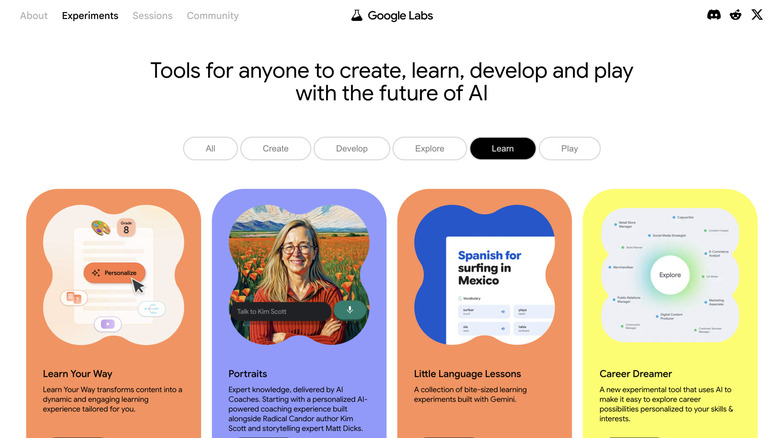
Aside from refining NotebookLM, Google is actively exploring new AI developments in the same Labs department responsible for its inception. Some exciting initiatives currently in testing include:
- Opal: A no-code platform enabling users to create mini-apps using plain language.
- Jules: An autonomous AI code assistant capable of integrating with existing GitHub projects, handling tasks like debugging, test writing, and new feature development.
- Learn Your Way: This tool transforms static learning resources into tailored educational experiences, adapting content to match a user’s grade level and interests.
- Little Language Lessons: A series of three compact, AI-driven language learning tools focusing on contextual learning for better retention.
This list merely scratches the surface of what Google Labs is exploring. With projects ranging from comprehensive development environments like Antigravity to marketing tools like Pomelli, which assists small businesses in creating coherent content without needing a design team, Google is not restricting its innovation to one sector. This multifaceted approach is a significant factor in its success.
Gemini Experiences Significant Advancements
Many users may not realize that Google’s current AI system, Gemini, is not its inaugural venture into this field. Prior to Gemini, Google introduced Bard, a conversational chatbot that was hastily developed and launched in March 2023. Bard’s debut was marred by inaccuracies, resulting in a significant loss for the company after a glaring error during its first public demonstration.
In early February 2024, Google rebranded Bard as Gemini. However, this fresh identity did not prevent initial missteps, as Gemini faced scrutiny due to inaccuracies and odd responses shortly after its release, leading to the suspension of its image generation capabilities.
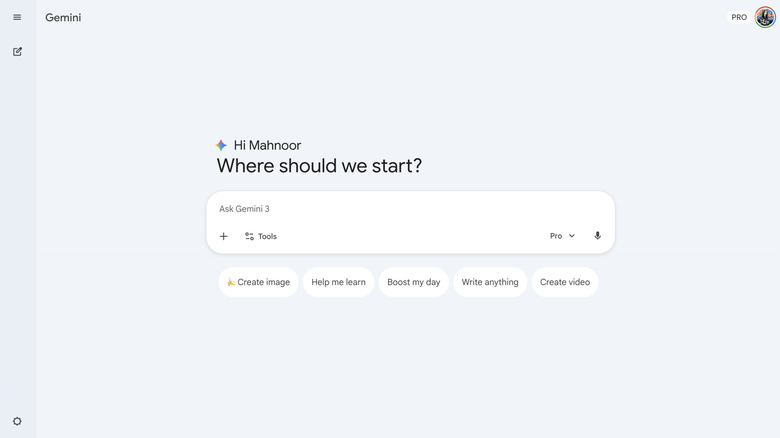
Fast forward to today, Gemini 3 has solidified its reputation as one of the most sophisticated AI models, consistently improving in its reasoning, coding, and multimodal tasks, outperforming competitors like ChatGPT. Moreover, Gemini’s integration with Google’s tools offers a unique advantage that sets it apart from others in the field.
Additionally, Google’s Nano Banana model has achieved exceptional ratings as a leading image generation solution. It’s remarkable to see how the company has transitioned from setbacks to becoming a powerhouse in AI image technology, demonstrating that its lessons learned from earlier errors have paved the way for ongoing success.