In an intriguing development reminiscent of a sci-fi narrative, a legislative proposal in Washington State aims to prevent employers from mandating microchip implants for their workers. While this concept may seem distant, we are not yet in an age where cybernetic implantation is commonplace beyond experimental health treatments. Neuralink’s initial human trials concluded without significant advances. Currently, there are no tools enabling employers to chip their workforce for control—at least for now. So, why is there such a pressing response from lawmakers in Washington?
The proposed bill has successfully navigated both chambers of the state legislature and now awaits the signature of Governor Bob Ferguson. Should it be signed into law, it will forbid companies from requiring or pressuring employees to undergo microchip implants that could identify them personally or violate their privacy. However, the bill clarifies that individuals are free to opt for microchip implants based on personal choice and informed consent, and it excludes medical implants as well as non-implanted technologies like smart wearables. This bill outlines specific provisions it covers if enacted, although it may not be as comprehensive as it first appears.
Washington State Takes a Stand Against Potential Labor Exploitation
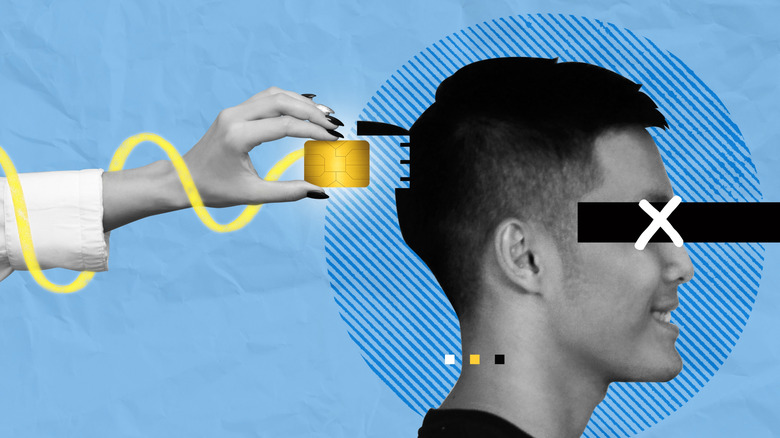
Although it embodies a futuristic approach, the Washington bill restricting compelled microchipping remains somewhat narrow in its breadth. The bill outlines a microchip as “any product, device, or technology implanted under the skin of a person, containing a unique identifier and personal details retrievable or transmittable via an external scanning device.” According to this definition, only a chip that identifies the user would infringe upon the law. Furthermore, there’s a significant exemption for medical devices used exclusively for health purposes.
In essence, if you are one of those who has chosen to implant electromagnets for sensing electromagnetic fields—a biohacking method—this legislation does not seem to restrict employers from mandating a similar requirement. Additionally, the bill specifies that it pertains solely to subcutaneous devices, which excludes external wearables. Hence, if an employer prefers to monitor employees via an Apple Watch instead of through Neuralink, they might still have the authority to do so unless contradicted by other regulations. Employees whose rights are compromised by such implant requirements can pursue civil litigation for injunctive relief along with actual and punitive damages.
Existing Limited Functionality Body Implants
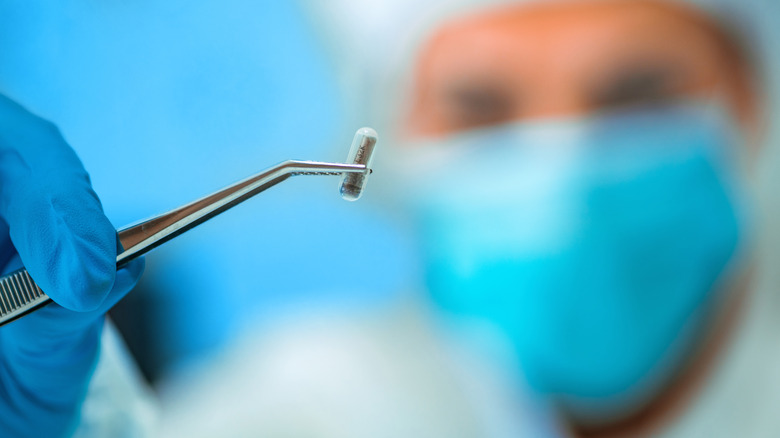
As of the latest information, sophisticated microchip implants akin to those depicted in “Black Mirror” are not yet available for public use. The most advanced option currently is Neuralink, spearheaded by Elon Musk, which has faced scrutiny for potential animal welfare issues while exploring the connection between human cognizance and technological interfaces. Other initiatives have mainly been trialed on individuals with severe health concerns like ALS, and the subjects involved were part of very restricted medical studies.
Nonetheless, various basic implants do exist that appeal to a niche group of transhumanists identifying as biohackers. These implants often serve singular functions, such as an NFC or RFID chip functioning as a key for entering homes or offices, or enabling contactless payments. A profile on biohacking from ABC revealed that these microchips operate primarily within a DIY community and lack FDA approval. However, they would likely fall under the scope of Washington’s bill since they serve as personal identifiers.
Given the rapid advancement of technology, Washington’s preemptive measures might be timely. For years, the developments in artificial intelligence were steady, yielding adequately useful innovations. Nevertheless, the introduction of ChatGPT initiated an explosive growth in generative AI that is now reshaping society in unforeseen ways. Without regulations to thwart unethical practices, the current landscape of AI might lead to alarming scenarios. Moreover, grassroots biohacking could evolve into a multi-billion dollar industry, thus prompting the need for Washington’s citizens to be safeguarded against its potential repercussions.