Our ability to create powerful batteries has improved significantly. However, the issue of eventual corrosion, fire hazards, and environmental damage remains unsolved. A recent development introduces an innovative battery that utilizes water and tofu brine as its main components. This battery boasts an impressive lifespan of 120,000 charge cycles in laboratory conditions, which is about 40 times greater than standard lithium-ion batteries that usually last around 3,000 cycles. Theoretically, daily charging could allow these batteries to function for over three centuries. While no device will last that long, the potential is undeniable.
How does this new battery technology operate? The electrolyte solution, crucial for transporting electric charge between electrodes, consists of neutral magnesium and calcium salts—minerals abundant in tofu brine, typically used in creating tofu from soy milk. Researchers maintained a neutral pH level of 7.0 in the solution, counteracting the corrosive reactions commonly associated with traditional batteries.
Additionally, the team replaced the usual metal electrodes with organic polymer-based ones, effectively utilizing materials akin to plastics. For the positive electrode, they employed a version of the paint pigment Prussian blue. As detailed in the comprehensive study published in Nature Communications, this approach achieved a remarkable energy capacity of 112.8 milliamp hours per gram, a notable achievement for this battery design.
The Significance of Water Batteries
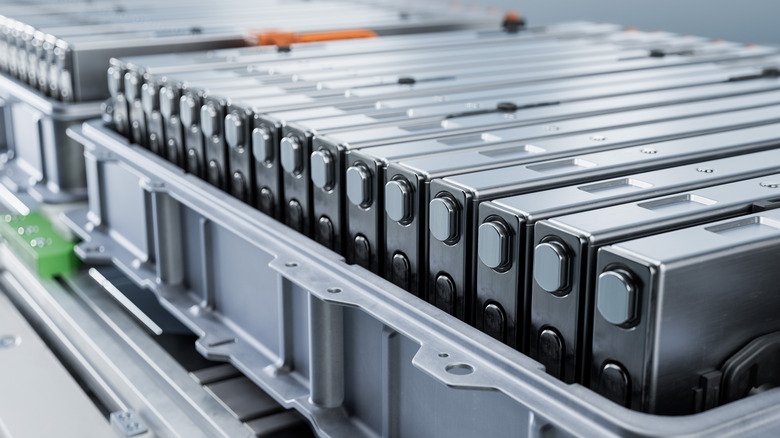
The interest in water-powered alternatives stems from the limitations of lithium-ion batteries, which currently dominate the market. The flammable solvents in their electrolytes pose a significant fire risk, particularly in cases of overheating or physical damage. This has led to alarming incidents, including battery fires on airplanes, prompting some airlines to prohibit power banks in-flight. Additionally, the increasing number of electric vehicle fires has rekindled concerns regarding the long-term safety of lithium-ion technology.
Water-based batteries eliminate these fire hazards entirely. The non-flammable nature of the electrolyte makes these batteries safer to use. Furthermore, they comply with international disposal regulations, including the U.S. Resource Conservation and Recovery Act, thus avoiding harmful waste disposal issues.
These water-based batteries are typically less expensive to manufacture, as their raw materials are cheaper compared to those used in conventional lithium-ion batteries. This makes them especially attractive for large-scale applications like grid storage in renewable energy systems, where affordability and durability outweigh the need for compact designs. However, scalability and increasing energy density remain challenges that need to be addressed for competitive use in weight-sensitive applications. If resolved, this technology could pave the way for more advanced stationary energy storage solutions in the future, forming part of a broader array of emerging battery technologies that may revolutionize everything from electric vehicles to portable electronics.