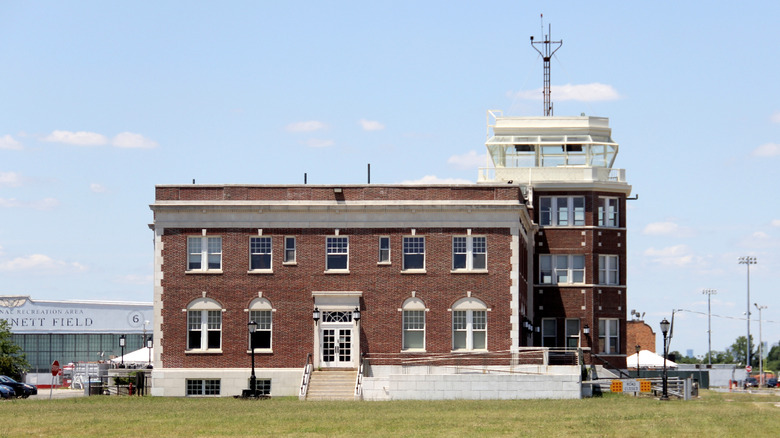
Prior to the establishment of JFK and LaGuardia Airports, New York City had Floyd Bennett Field, its first airport dedicated solely to aviation. Opened in 1931, it became a key location in Brooklyn that facilitated the advancement of modern aviation. The construction of LaGuardia Airport in 1939 shifted the focus of air travel, but Floyd Bennett continued to fulfill significant roles.
In 1941, with the escalation of World War II in Europe, the U.S. Navy acquired Floyd Bennett Field. Even before America officially entered the war after the Pearl Harbor attacks in December 1941, the Navy used the site to train ground crews. Eventually, it became a base for anti-submarine patrols, aiding in the protection of American and British shipping in the Atlantic. The airport also hosted crucial aircraft like the PBY Catalina seaplane, which played an essential role in the Allied war efforts.
The Catalina served as a formidable flying gunboat and patrol aircraft equipped with four machine guns and the capacity to carry up to 4,000 pounds of bombs to combat German U-boats. Its deployment from a strategic location like New York City was vital during the early phases of the conflict.
The Significance of Floyd Bennett Field during WWII and Beyond
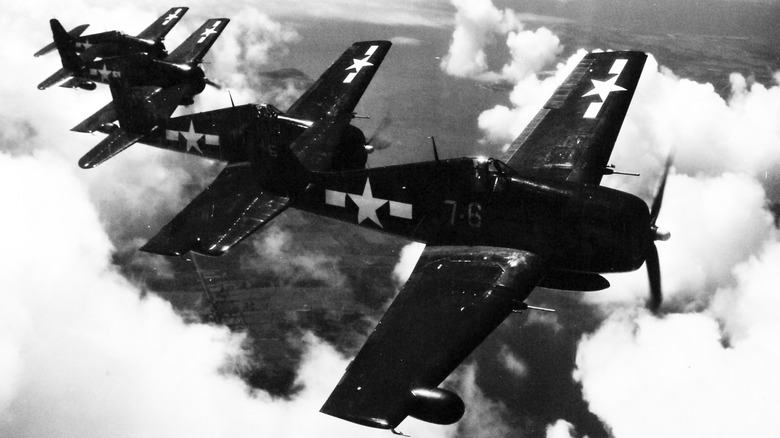
While the Navy conducted patrols in the North Atlantic, Floyd Bennett Field also played a vital role in supporting operations in the Pacific theater. Several aircraft manufacturers, including Grumman, operated factories in New York City, producing impactful military planes like the F6F Hellcat. This fighter plane was responsible for over 5,155 air victories against the Imperial Japanese Navy within a two-year span. Hellcats were tested and prepared at Floyd Bennett Field before being sent to the West Coast for deployment with carrier groups.
In addition to being home to the PBY Catalina and the F6F Hellcat, Floyd Bennett Field was also the first testing ground for helicopters back in 1943. Following the conclusion of the war, military activity at the airport gradually decreased, leading to its official closure as a military airport in 1971. Today, it is preserved under the National Park Service.