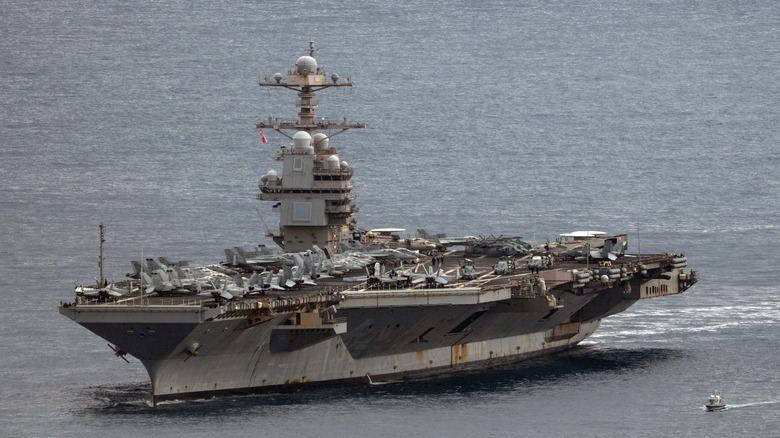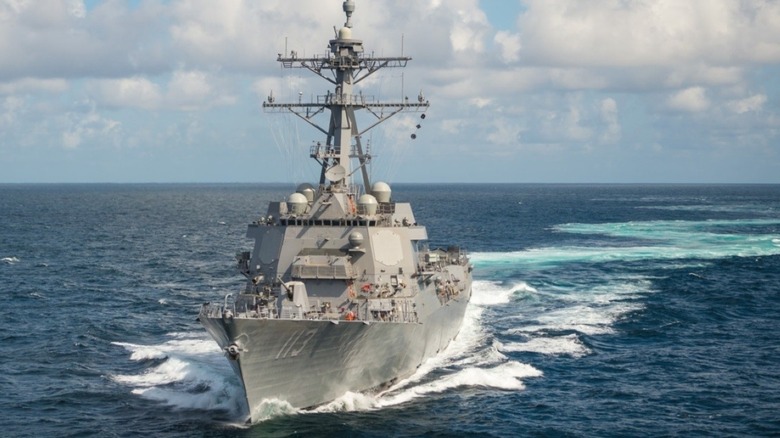
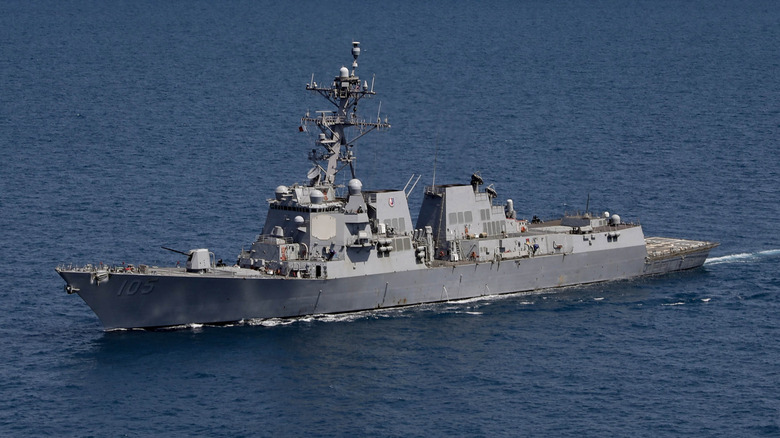
Corrosion, often referred to as rust, poses a significant threat to the United States Navy and its fleet of vessels, persisting since their inception. The viral image below presents clear signs of rust resulting from constant exposure to seawater.
The vessel depicted is the USS Dewey (DDG 105), an Arleigh Burke-class guided missile destroyer, captured arriving at the port of Sembawang, Singapore, on February 18, 2025. The widespread sharing of this photo on social media has led to discussions expressing anxiety over the ship’s operational state and the Navy’s apparent negligence toward its upkeep. In reality, the Navy does prioritize rust prevention, employing substantial resources to protect its ships from this stealthy adversary.
The Navy emphasizes that its vessels are engineered to withstand the demanding maritime environment, but ongoing preventive measures to fight rust are vital. Historically, crews, including the boatswain’s mates and deck personnel, have engaged in various maintenance activities, such as cleaning, sanding, and repainting, to combat this persistent issue. However, with a new strategy set to launch in February 2026, the approach to this battle is evolving.
The US Navy’s revised war on rust
According to a video by the U.S. Defense News YouTube channel, the Navy is implementing a comprehensive new strategy to tackle rust on its warships. This multi-faceted approach not only aims to enhance the aesthetic appeal of the fleet but also seeks to minimize maintenance expenses and maintain the readiness of the ships, especially after “years of neglected corrosion work.” The Navy’s efforts against rust are nothing new, as they date back to the era of wooden ships, long before the first steel-hulled vessels were introduced in 1886. While some wooden ships still exist, most of the current fleet consists primarily of steel ships.
The new rust prevention plan begins with enhancing ship design. The improved designs, set to be integrated into the Navy’s latest battleships, aim to allow seawater to drain completely from the surfaces of ships, reducing stagnant water that can accumulate and lead to corrosion. Additionally, utilizing rust-resistant materials, like composites and stainless steel, for components and structures can lessen maintenance demands, enabling crews to allocate their efforts more efficiently.
A crucial aspect of this plan involves eliminating all existing rust before applying new paint. Sailors are now trained to avoid painting over rusty areas while receiving upgraded tools and cleaning supplies to facilitate the process. When vessels are in dry docks for maintenance, specialized teams of contractors are employed to apply advanced corrosion control techniques and install new fittings designed to manage water more effectively.