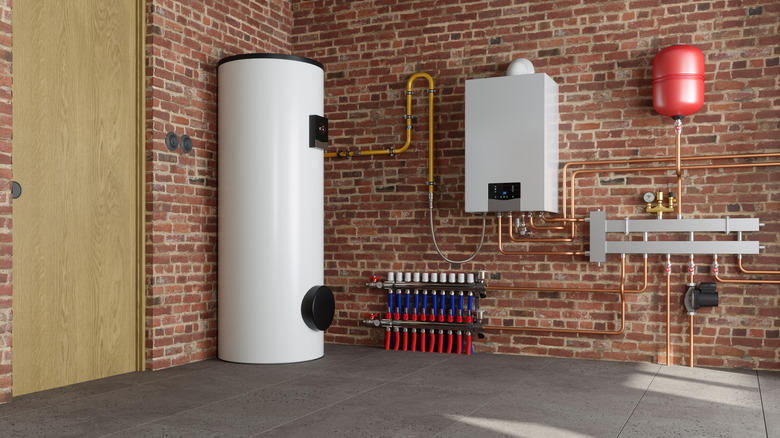
Many households rely on appliances such as stoves, refrigerators, and washing machines on a regular basis, but certain devices are less frequently thought about until they begin to fail. One of the appliances that typically causes homeowners the most concern is the water heater.
This concern is understandable; replacing a water heater can cost a homeowner thousands of dollars, and prices can fluctuate greatly depending on factors like the model, brand, and type of water heater chosen. Fortunately, once you’ve installed a new unit, you can expect it to last for some time before needing replacement. The lingering question is, how long can you expect that to be? Unfortunately, the answer is not straightforward, as various elements can influence the lifespan of the appliance.
Although specifying an exact lifespan is challenging, numerous experts in the field estimate that a conventional, well-cared-for tank water heater has a lifespan of roughly 8 to 12 years. In contrast, opting for a more expensive tankless unit may extend that span to 20 years or more. For electric models from well-known brands such as Bosch or Rheem, the general expectation is about 10 to 15 years.
How to properly maintain your water heater

Knowing how long you might expect your newly installed water heater to last raises the question of whether there are steps you can take to help it achieve the upper limits of that lifespan. Fortunately, there are several preventative strategies that could enhance its longevity and boost efficiency.
However, it’s important to remember that various factors, such as water quality, the construction of the heater, and its placement in your home, can impact the effectiveness of these measures. Once your new water heater is installed, be proactive in protecting it from rust and corrosion.
Given the presence of several metal components in most water heaters, the risk of rust is significant. A properly functioning anode rod should help mitigate this issue, but it will need periodic replacement to remain effective. Therefore, it’s wise to monitor it and change it out as needed. Sediment build-up in the bottom of the heater can also affect its performance, but flushing the unit annually can help alleviate this buildup.
How to know when it’s time to replace your water heater
In addition to regular maintenance, there are clear indicators that suggest your water heater may need to be replaced. The age of the unit, which can be determined by the serial number, is a primary factor—if your appliance is exceeding the expected lifespan mentioned earlier, it may be time to consider a new one.
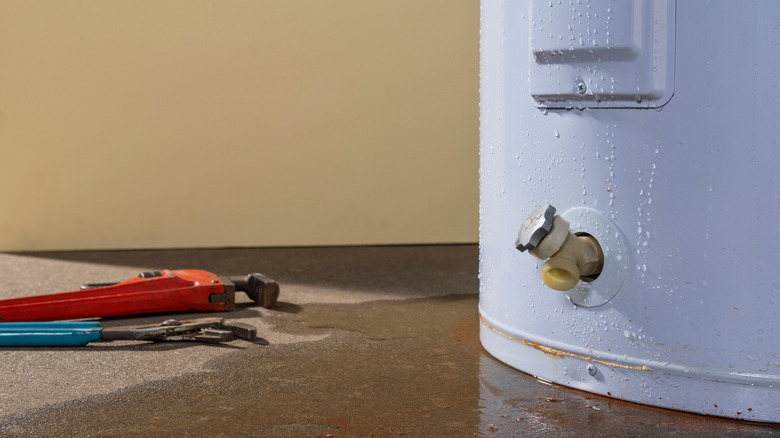
A spike in your utility bills can also signal that the heater is under increased strain to maintain water temperature. Paying attention to the heater’s condition is crucial; puddles forming beneath it can indicate a leak, which presents the risk of pressure buildup and potential catastrophic failure. Such situations require immediate attention to prevent dangerous consequences.
If you notice rusty or murky water from your taps, this may signify sediment accumulation or corrosion—rusty water often indicates that the heater is beyond repair, while cloudy water suggests that it should be serviced promptly. It is also critical to act quickly if the unit fails to heat water at all. Additionally, unusual knocking noises from within the unit may point to excessive sediment buildup that needs to be dealt with urgently.