Owners of electric vehicles could see an increase in their tax burden if a new initiative from the House Transportation Infrastructure Committee gains approval. Legislators are poised to put forward a bill proposing a $250 yearly fee for electric vehicles and a $100 charge for hybrids. Moreover, a group of Republican senators has suggested a one-time fee of $1,000 for all EVs. This marks the second attempt by Republican Chair Sam Graves to impose taxes on electric vehicles.
The purpose of these fees is to support over $500 billion in infrastructure projects, including road and bridge repairs. Typically, funding for infrastructure comes from gasoline and diesel taxes, but a transition to electric vehicles is depleting this revenue. Legislators assert that since EVs utilize the roads and are generally heavier, they should contribute towards infrastructure funding.
However, the proposed $250 fee almost triples the average $88 fuel taxes collected from gasoline vehicle owners, and even the $100 fee for hybrids is above this amount. This disparity is likely because the federal gas tax has not seen an increase since 1993. Chris Harto, Consumer Reports’ Head of Sustainability Advocacy, noted, “While EV drivers should contribute to road funding, imposing excessive taxes solely on them won’t resolve the broader issues related to transportation funding inadequacies.”
Perception of Unfair EV Fees Across the U.S.
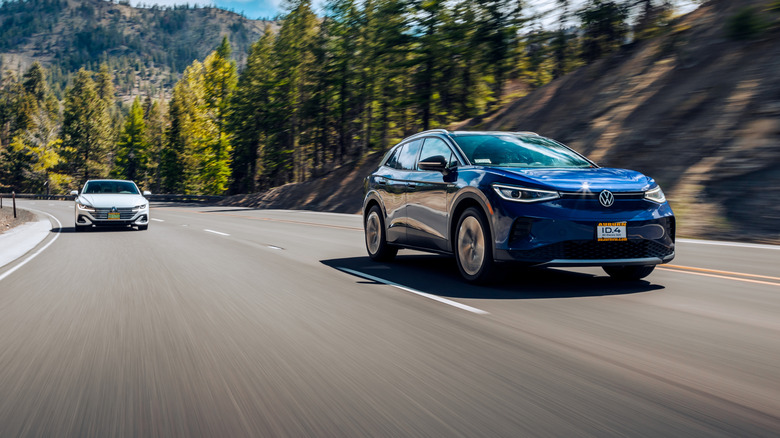
The suggested annual tax for EVs has sparked unease among electric vehicle owners, as many have already been subjected to extra taxes on hybrid or electric vehicles. Currently, there are 40 states that impose an added registration fee for EVs. This fee is similarly aimed at compensating for dwindling state fuel tax revenues, yet it often seems unjust to electric vehicle users. For instance, New Jersey imposes a $250 annual fee for EVs that escalates by $10 each year until it reaches $290 in 2028. Texas charges $400 initially for new EV registrations, followed by a $200 annual fee.
An alternative such as a vehicle miles traveled (VMT) tax is being viewed as a fairer solution. As an example, Oregon has launched the “OReGO” program, where EV drivers are charged 2.3 cents per mile. Utah and Hawaii also have similar programs based on vehicle usage that present a more equitable approach compared to fixed annual fees. Additionally, California is considering implementing a “road charge.”
The universal fees imposed by federal and state governments have not only felt inequitable, but at times even punitive. With the removal of the federal tax credit and previous attempts by the Trump Administration to curtail clean energy initiatives, including the development of more charging stations, the ongoing push for additional taxes on EV ownership appears more like a statement than an effective strategy for enhancing infrastructure.