
While you might shy away from using AI like ChatGPT or Google’s Gemini due to apprehension, chances are you’re interacting with AI technology daily without realizing it. According to Gallup’s 2025 findings, 50% of Americans claimed they hadn’t utilized an AI-powered product in the last week. However, an overwhelming 99% acknowledged they used services that typically incorporate AI, like navigation and weather apps or social media platforms. AI’s influence on daily life is profound yet often unnoticed, and the extensive network that underpins this technology remains largely unexamined in relation to its impact on local communities.
AI’s growth trajectory is astonishing, with ChatGPT ranking as the fifth-most-visited website globally, attracting over five billion visits each month. Since AI relies heavily on data, the surge in its usage has precipitated a corresponding rise in the establishment of data centers. These facilities not only house servers and data storage systems but also need robust power and cooling systems. The Pew Research Center notes that hyperscale data centers should accommodate a minimum of 5,000 servers and span several hundred square feet. Nevertheless, as the need for these centers escalates, certain communities are expressing resistance, igniting a statewide debate in various regions across the U.S.
Opposition to Large AI Data Centers
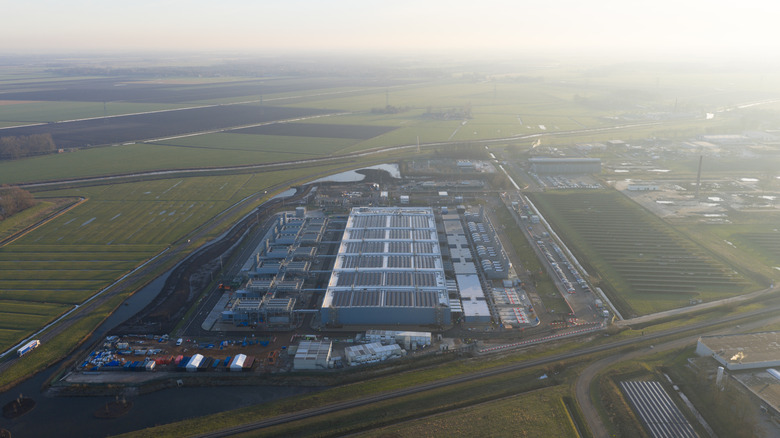
In recent times, residents in Virginia, Pennsylvania, and North Carolina have actively resisted proposals for new data centers, leading to delays and even cancellations of certain projects. Meanwhile, legislators in Georgia are contemplating statewide pauses on new data centers. But what underpins this resistance? The sheer amount of energy that data centers require usually comes from local power grids, which often still depend heavily on fossil fuels—thereby exacerbating greenhouse gas emissions. Additionally, the establishment of a data center frequently necessitates enhancements to local grids, costs that could ultimately fall on consumers.
Moreover, these facilities demand significant water resources for their cooling systems, akin to how a personal laptop operates. In 2023, U.S. data centers reportedly consumed over 17 billion gallons of water. Such resource consumption was significant enough for Senator Bernie Sanders to advocate for a national halt on new data centers until a comprehensive assessment of their environmental impact can be conducted.
In December 2025, Georgia regulators approved a significant expansion of the state’s power grid, responding to Georgia Power’s requirement for an additional 10,000 megawatts of capacity. In light of this, state lawmakers have suggested several measures aimed at shielding residents from upcoming energy cost hikes, safeguarding natural resources, and abolishing tax incentives for data centers. Furthermore, Representative Ruwa Romman has introduced legislation to impose a one-year moratorium on new data centers. As communities continue to stand firm against these sprawling facilities, all eyes are on Georgia.